Anúncios
What item are you looking for at Nike?
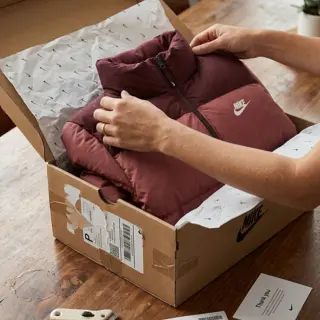

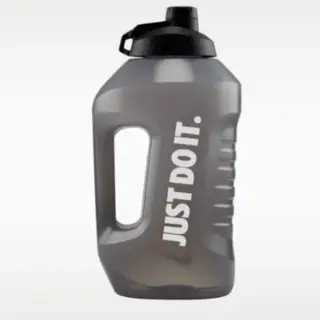
This guide is for athletes, trainers, and gear fans all over. It gives you a clear picture of Nike’s Gym Gear testing process. Nike examines its gear and clothes through structured tests before they hit the stores. You’ll get thorough reviews that combine detailed procedures with hands-on testing and real-life examples.
We talk about the Nike tester program and how to get in, and what items get Nike beta access. You’ll learn what a Nike gear trial involves and how Nike improves designs using feedback from testers. You’ll see recently tested gear, get tips to boost your chances, and find out how to review free Nike stuff and items released early.
Our coverage is fair and based on facts. It comes from Nike’s official statements, standard industry tests, and feedback from testers and reviewers. We aim to help you understand trials and make smart choices about buying Nike gear before it officially launches.
Najważniejsze wnioski
- Gym Gear in Nike’s testing program includes both clothes and equipment checked before they’re sold to the public.
- Ten Nike tester program gives active testers with Nike beta access a chance to share detailed feedback.
- Nike gear trials can involve testing at home, lab sessions, or answering online surveys.
- Getting free Nike gear usually means you need to report on how it performs, fits, and lasts.
- To improve your chances of being accepted, follow reporting guidelines and stay involved in relevant communities.
Overview of the Nike Testing Program and How It Works
Nike has test programs that bring in athletes, coaches, and regular people to try out new items. They use public signups and apps like Nike Running Club to find testers. Their goal is to mix lab results with real-life feedback to improve sports gear before it’s launched.
What the Nike tester program is and who can join
Ten Nike tester program invites people through targeted searches and open invites. You must be 18 or older and live in certain areas, mainly. Having an active Nike app profile helps, especially for testing new technology.
They pick testers based on testing history, the need for diverse participants, and sports expertise. For instance, marathon runners might test new shoes, while weightlifters try out lifting gear. Different users, including athletes and coaches, are important for gathering useful feedback.
Nike Voice of the Athlete initiative
Types of gear commonly included in Nike beta access
Nike tests a wide range of products. This includes workout clothes like shorts and shirts, and shoes for different sports. Also, things like socks and gym bags are tested.
They also try out fitness tools and tech, like recovery gadgets and wearable devices. These tests help improve a variety of Nike products.
How products move from testing to public launch (nike gear launch process)
The development process is well-planned. It starts with ideas, then moves to making prototypes, lab testing, and finally, real-life testing. Testers’ feedback and data from devices help make the products better.
Nike’s internal teams work closely with testers to refine the products. They often use nondisclosure agreements to keep details secret. Some products have a limited release before they are available to everyone, while others go straight to full launch after final tests.
Gym Gear in nike testing program
Nike’s gear testing combines lab accuracy and real-world exercise. People trying out nike training gear have used everything from high-tech clothes to unique workout tools. These tests give solid data and user feedback to improve gear before it hits the market.
Examples of gym equipment and apparel included in recent tests
They’ve tested clothes that remove sweat better and stretch more, thanks to new fabric technology. Shoes were checked for improved foam and better grip during side-to-side movements. They also tried compression outfits with sensors to monitor muscles, and new recovery tools. There were also tests on straps and resistance setups.
Key performance metrics Nike evaluates during trials
Nike looks at how well gear fits, breathes, and handles sweat. They check if items can withstand use and washing. Shoes are tested for grip, stability, cushioning, and bounce back. Gear with sensors is evaluated for data accuracy. Clothes are judged for comfort and movement, and tools for safety and durability.
How objective data sources support assessments
Labs use advanced equipment for testing, like force plates and motion cameras. They also use apps to track location, movement, and pressure during exercises. Tests mimic workouts like HIIT, lifting, and running to ensure stress. They also test how long items last with washes and use.
How participant feedback influences final product design
Feedback is gathered from surveys, apps, videos, and lab talks. Comments on comfort and performance guide improvements in materials and design. For example, an issue like uncomfortable friction can lead to moving a seam. Problems with sensor accuracy can result in tech updates.
Feedback helps fine-tune sizes, colors, and marketing for upcoming nike products. This approach makes sure development focuses on what users actually need and want.
How to Apply and Increase Your Chances for Nike Beta Access
Getting into a Nike tester program needs focus and active participation. Keep an eye on Nike’s product testing sites and their apps like Nike Run Club. Also, watch their Nike Training Club for new chances. Follow Nike on social media and look out for posts from athlete sponsors. Sometimes, companies that Nike hires might share chances to try out Nike workout gear.
Eligibility checklist
- Have an up-to-date Nike account with your latest contact info.
- Live in the areas where they’re testin.
- Be 18 or older and okay with signing Non-Disclosure Agreements if needed.
- Your workout history should match the product, like using Gym Gear for gym goers in Nike’s tests.
- Be okay with following the test rules and turning in reports on time.
Step-by-step application actions
- Fill out your Nike profile completely, adding your activity history and just the right sizes.
- Connect your workout apps so they can check up on your activity.
- If they ask, upload clear photos and answer any questions in detail.
- Keep your contact info up to date and regularly check your emails as the chance to join might not last long.
Tips to improve acceptance odds
- Regularly update your workouts in Nike apps and write thoughtful reviews if you can.
- Talk about your related achievements, like race times, being a coach, or past tests you’ve done.
- Be quick in answering messages and completing tasks they give you.
- Show that you’re a leader in your community or that your input has helped Nike before.
Common mistakes to avoid
- Don’t leave your profile incomplete or messy with sizes.
- Avoid short, vague answers in surveys. Use detailed examples instead.
- Don’t apply if your account doesn’t show much recent workout activity.
- Remember, breaking secrecy rules and ignoring the NDA can ruin your chances.
To increase your odds for getting to test Nike workout gear or other products, be diligent and thorough. View each application as a mini audition for the Nike tester program. And don’t forget to respond quickly to any invites you get.
What to Expect from a Nike Training Gear Trial
Join in on a test run to help shape the design of new products. You’ll get to try items before they hit the stores. You’ll get clear instructions, need to commit some time, and follow rules to keep prototypes safe. Make sure to read every agreement well to understand your responsibilities and what you can’t share.
Typical trial formats: in-person labs, at-home testing, and virtual feedback
In-person labs happen in controlled settings, either at Nike or partner spots. Testers get to move around with instruments, compare different prototypes, and talk directly with the product teams. These sessions usually involve sensors, videos, and questionnaires to guide you.
With at-home testing, Nike sends prototypes straight to your door. You use them during your regular workouts. You’ll need to follow certain rules, keep track of your workouts, clean the items as told, and fill out surveys. This shows how the gear does in everyday conditions.
Virtual feedback uses live video calls, apps, and remote uploads. Trainers or researchers might watch your form, ask you questions, and collect data, all from afar. This is a good option if you don’t live close to the labs.
Duration, commitments, and confidentiality considerations
Trials can be as short as one lab visit or last several weeks. Shorter ones might take a day or up to two weeks. Longer trials, however, can last from four up to twelve weeks. They look at how well the gear holds up and how it washes. Get ready for regular surveys, workout plans, and to keep logs of everything.
Expect to sign non-disclosure agreements for stuff that’s not out yet. You can’t post pictures, talk about the details, or sell the prototypes. If Nike needs the items back, make sure to follow their rules carefully. And keep track of your activities just in case.
Compensation, free nike equipment offers, and incentives
What you get for testing varies. Some might get money, gift cards, or discounts. Lots of times, you get to keep the Nike equipment, which is great when long-term data is needed. Some testers get early access to new products instead of cash.
Make sure to keep detailed logs of your workouts, any effort you put in, and videos if needed. This makes getting your incentives faster and easier. Besides getting paid, you also get the chance to help create gear used by athletes all over.
Hands-On Review Approach: Testing Methodology for Gym Gear
A clear testing process is essential for reviewers in a Nike training gear trial. Start with straightforward, repeatable tests. Keep your notes brief and to the point. Mix objective measures with brief thoughts on how the gear feels.
Fit
- Assess initial fit and how gear feels after the first wear.
- Check sizing across different sizes and note sizing accuracy.
- See how easy it is to put on and take off the gear.
Durability
- Test clothing with many washes and record how they hold up.
- For shoes, note changes in cushioning and sole wear over time.
- Take pictures of wear points regularly to track how they deteriorate.
Performance
- Check how the gear handles during different workouts for performance.
- Test how well it keeps you cool or warm and note the conditions.
- Use specific measures like distance and weight lifted for detailed feedback.
Comfort
- See if there are any spots that rub or if the seams are comfortable.
- Notice if you feel less tired wearing the gear over time.
- Rate how comfortable the gear is after each session to see trends.
Use different workouts to see how gear wears over time in a nike beta access program. Include a variety of HIIT, strength, running, and mobility workouts. This exposes gear to everything it’ll face with regular use.
Keep detailed logs of each workout, including type, length, and conditions. If possible, add videos to show how the gear fits and moves. After each use, write down how you felt about the gear and take pictures of areas that wear out.
Give specific, clear feedback to Nike. Use hard data like how far you ran or how much you lifted. Talk about any problems in detail, mentioning things like humidity. Suggest fixes, like better seam placement or different materials.
Compare Nike gear with other brands to help improve performance during testing. Make sure to follow guidelines and meet deadlines so your insights help before new Nike gear comes out.
Top Nike Gym Gear Highlights from Recent Tests
Tests showed what gear worked best. Users liked the new fabric, stitching, and cushioning. Feedback was used to make final touches before the launch.
Standout apparel pieces
Light tights were a hit for their stretch and dryness. Short-sleeve tops let arms move freely and didn’t chafe. Compression wear was both supportive and cool.
Notable equipment and accessory improvements
- Cross-training shoes had better cushioning and were still light.
- New outsole designs gave better grip and lasted longer.
- Updated lifting belts and gym bags became more versatile.
- Sensor tech got more reliable and the battery lasted longer.
User-reported pros and cons
- Pros: increased comfort and fit, longer-lasting wear, steady sizing, and better performance.
- Cons: new foam needed breaking in, sensors required adjustments, higher prices at first, and limited sizes and colors.
How feedback changed products before release
Feedback led to real improvements. Hotspots were reduced by moving seams. Materials were chosen for better durability and grip. This came from runners and athletes who tried them out.
Variation across user segments
Different users had different experiences. Both elite athletes and regular gym users gave input. This helped make the gear appealing to many but still special for intense training.
Access and incentives
Testers got free gear, speeding up feedback. Their thoughts shaped the final product. This helped make Gym Gear better for everyone during the big launch.
Buying Insights: Should You Trust Pre-Launch Nike Gear?
Early previews give us a peek at what’s coming in Nike’s gear lineup. People who check out Nike’s gear trials or beta access see new features first. This info can help you make a smart choice about buying early or waiting.
Risks and benefits of early adoption from testing previews
Testing out gear first has perks like trying the latest technology. Testers may get free gear or early buying opportunities. They also help shape the final product.
But, there could be issues that aren’t fixed before launch. Early versions might not have many sizes or colors, and could cost more.
How to read test reports and translate them into buying decisions
Pay attention to what’s important for your workouts. For example, weightlifters should look for stability info. Runners should check for cushioning details in reports.
Read reviews from lots of testers to get a better picture. Trust facts and data over one person’s opinion.
Simple rules can guide your decision. If many reviews mention a plus, it might be safe to buy early. But if issues pop up often, it’s better to wait for a fix or the official launch.
Where to find follow-up reviews after nike gear launch
For reliable reviews, check out Runner’s World, Men’s Health, and Women’s Health. Nike.com, fitness tech websites, and forums like Reddit’s r/Nike give more insights.
Video reviews from pros show how gear works in real life. Always check return policies and warranties before buying at launch.
Wniosek
Joining the Nike tester program or following Gym Gear in Nike testing updates is exciting. You get to see new products develop. Being a tester or keeping up with training gear trials offers insight on fit, durability, and how the gear performs in real life. This lets you spot improvements and understand changes when new Nike gear is released.
There are some useful steps to make the most of this insight. First, keep your Nike profile updated. Then, watch Nike’s official channels for testing opportunities, and lookout for chances to get free Nike gear or beta access. When testing gear, really put it through its paces—check how it fits, how it holds up to real workouts, and give honest feedback. This helps you make solid comparisons.
It’s important to find a balance. Being one of the first to try new gear can give you an edge. However, it’s also key to consider what a wider range of users think after the product launches. Reading reviews from many sources and comparing them can help. Whether you decide to become a tester or just use this guide to understand reports on Nike training gear trials, you’ll make smarter choices when buying new gear.
Treści tworzone przy pomocy sztucznej inteligencji.