Anúncios
What item are you looking for at Nike?
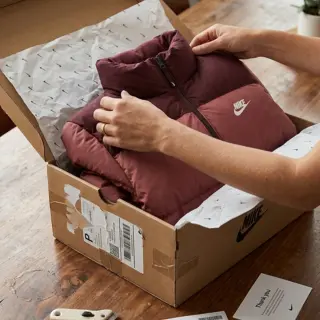

Nike uses a hands-on approach to design its jackets. They test products with both athletes and everyday people. This way, they gather feedback on the jacket’s fit, fabric, and how it works in real situations. This feedback helps the Nike team make improvements. They focus on making the jackets weather-resistant, breathable, and easy to move in.
The testing program includes local and regional trials, as well as athlete partners. People wear the jackets in their daily life and while playing sports. This shows how well the jackets work outside of the lab.
In this article, you’ll find out how the Nike product testing works, how you can sign up, what testers do, and what they get in return. This could include keeping the products they test. The article is written in a friendly and clear way. It’s for readers in the United States who are interested in Nike’s testing program.
Belangrijkste conclusies
- Nike Jackets Testing Program uses iterative user feedback to improve jackets before retail release.
- Jackets & Outerwear in nike testing program collect real-world data on fit, fabric, and function.
- nike apparel testing includes local pools, regional trials, and athlete invitations.
- A nike product trial helps validate design choices for performance and durability.
- Accepted testers can expect to wear prototypes and submit structured feedback.
Overview of the Nike Jackets Testing Program
Nike has a unique program where athletes and everyday people test jackets before they’re sold. They have different kinds of tests, like closed betas and invite-only trials. To get invited, people may join through Nike membership, SNKRS, or local stores.
They also partner with universities and groups focused on running and outdoor activities. This helps Nike get a wide range of feedback.
What the program is and who can participate
The program is open to both elite athletes and casual wearers. It mainly targets residents because of shipping and lab work. Sometimes, they have an official nike beta test with a few spots.
They pick participants based on body type, how active they are, and where they live. This way, they get different opinions.
Nike Voice of the Athlete initiative
Goals: performance, durability, fit, and style feedback
Testers look at key features like how the jackets handle water, keep warm, and let air through. They check if the jackets fit well, are easy to move in, and look good. Details like where pockets are and if zippers work well are also important.
Nike uses this feedback, along with lab results, to get a complete understanding.
How testing supports Nike’s product development cycle
Feedback from testing helps Nike pick the best materials and improve designs before making lots of jackets. Results from trials might push a feature forward or lead to design changes. This makes the development quicker, reduces risk, and ensures better jackets come out with no surprises.
Jackets & Outerwear in nike testing program
The Nike testing program looks at a lot of outerwear for different activities and seasons. They change what they test with the seasons. For example, spring tests focus on making sure items are breathable and easy to carry. Meanwhile, fall and winter tests look at how well they keep you warm and protected from the cold.
Types of outerwear typically included
Nike tests include light windbreakers for runners and waterproof jackets for people who commute. They also check out jackets for cold weather activities and ones you can layer for climbing or trail running.
They even test hybrid types that mix stretchy fabrics with warmth. These tests help Nike find the right mix between moving easily and staying safe.
Key performance metrics tested
They do field and lab tests to see how well the jackets stand up to weather. They check waterproofing, durability of the water-resistant coating, and how well the fabric breathes. Real sweat tests are also done.
Mobility gets tested with movements specific to sports to make sure you can move freely. They check how well the jackets keep you warm, how easy they are to pack, how they adjust with heat changes, and if the zippers or seams hold up.
Examples of past jacket iterations improved through testing
Testing has led to better designs, like sleeves that let runners move their arms freely and pockets that don’t get in the way of a harness or backpack.
Data from the field has also made jackets better by improving how long they cover you when you move and by making the water-repellent coating last longer. They’ve also added features for better air flow based on tester feedback.
How to Join: Applying for Nike apparel testing and trials
To start joining Nike’s testing, simply set up a profile showing your activity history. Many wonder how to get into these trials. Keep your Nike membership up to date and make sure your activity info is right. This helps them find the right projects for you, like testing Jackets & Outerwear.
Eligibility and geographic availability
Most of the time, these trials are for people in the United States. They often pick specific cities for shipping reasons or events. You must be 18 or older, have a Nike account, and be fit for the tests.
They might look for specific sports profiles, like runners or those used to rainy weather. Having the right gear is also important for joining.
Application steps and acceptance process
Applying starts either on a Nike website or through a special link. You’ll list things like your size, how active you are, and the weather where you live. You also agree to follow the testing rules and keep things secret.
If you get picked, you’ll get a packet with what you need to do, a schedule, and the item to test. You’ll need to send in photos, videos, and fill out surveys. Some tests are marked as official Nike betas, with set times for feedback.
Tips to increase selection odds
Update your profile regularly and be active with Nike apps or stores. If you can, include your Strava or activity logs. Explain why you’re a good fit, like if you often run in the rain and want to test jackets.
Answer quickly when invited and make your application answers short but good. Sharing your past testing experiences or knowledge can help. Doing this well might get you free Nike gear in some projects.
What Testers Do: Responsibilities and feedback process
Testers are essential in taking prototypes to the next level. They stick to the testing rules, note their findings, and give structured feedback during a Nike product trial. Their detailed notes let designers know what’s working and what’s not.
Typical testing activities
Wear tests occur in real-life scenarios like running, gym workouts, and hiking. They assess fit, comfort, and performance. Testers record how long, how intense, and the weather conditions so that Nike can analyze the outcomes in different settings.
Sometimes testing is specific to an activity. This can mean timed runs to see how well a fabric breathes under stress, long hikes to test how it keeps temperature, or many washes to check fabric durability. Other tests are done in labs to get exact measurements, like how strong a material is or if water gets through.
Testers usually share their findings using forms, apps, or videos. Following the testing rules makes sure everyone’s results can be compared. This helps Nike get reliable feedback for their Jackets & Outerwear testing program.
How to provide useful, actionable feedback to Nike
Details matter the most in feedback. Talk about what you did, for how long, the weather, and the exact problem. For example, saying “the zipper gets stuck after 20 minutes during a 6-mile run in light rain and 45°F.”
Show what’s wrong with photos or videos. Try to measure the issue, like the number of washes done or how long it takes to get wet. Comparing the test jacket to one you usually wear helps give Nike clear feedback.
Stick to Nike’s official beta testing feedback rules by mentioning what you liked and what could be better. Be specific and focus on details that Nike’s team can check and fix.
Privacy, data use, and handling of tester-submitted content
Being a tester means you agree to how Nike uses your feedback, pictures, and data. Some tests ask you not to share information until the product is officially released.
Nike often looks at all the feedback together to decide on design changes. They might keep pictures or videos for checking things internally. Make sure to read the agreement forms so you know what rights you’re giving to Nike and how long they keep your data before you start testing Nike gear.
Benefits and incentives: free nike jackets and other perks
Joining these testing programs gives you real benefits and special access. They range from easy wear-tests to big beta projects. What you get varies with each campaign and product.
Common incentives
Often, participants get to keep the prototype, which is why free Nike jackets are mentioned a lot. In some cases, samples must be returned after the test. But smaller studies might offer big discounts, Nike gift cards, or early peeks at new products instead of giving them away.
Non-monetary benefits
Testers really help shape the final designs thanks to their feedback. They get recognized in Nike circles and sometimes get shout-outs for their suggestions. Meeting Nike staff and fellow testers can open doors to more tests and even athlete partnerships.
How incentives vary by program and product
The kind of incentive depends on how valuable and sensitive the item is. High-end items like jackets often come with tight return policies and secrecy promises. More basic wear-tests might just offer discounts or coupons instead of letting you keep the item.
The scope of the program changes the reach and the rewards. Trials usually have the most to offer and more chances at Nike’s official beta benefits. International options are fewer, making it more common for testers to see larger, more valuable campaigns.
Always check the terms before signing up so you know what you’re getting. Understanding what’s on offer helps testers choose the right opportunities for them.
Real tester experiences and product review insights
People who test Nike gear provide valuable feedback from real-world use. They come from all walks of life – runners, outdoor lovers, and team sports players. They talk about how these products fit, keep them warm, and feel for everyday wear. Their insights help compare different gear, offering a real feel of how they perform.
Firsthand accounts: what testers liked and suggested improving
Testers often highlight how well the gear fits and its effective lightweight insulation. They appreciate better-placed pockets and sleek designs in Nike’s jackets and outerwear. However, they suggest improvements like stronger zippers, better hoods for windy conditions, and more durable water-resistant coatings after washing.
Performance comparisons between prototype and final retail jackets
Comparisons between prototype and final Nike jackets touch on weather resistance and flexibility. Testers find prototypes meet initial goals but suggest changes for practical use. Retail versions then get stronger seams and better pocket designs, thanks to tester feedback.
How tester feedback translated into visible product changes
Nike’s testing reviews show clear product refinements. Adjustments were made for easier use with gloves, stronger cuffs and hems, and better insulation placement. Sizes were also updated to improve the fit and look across different body types.
Feedback from testers is key to Nike’s process, leading to visible improvements. Engineers and marketers use this feedback to make retail jackets better. This shows how Nike values real, hands-on experiences.
Conclusie
Jackets & Outerwear in Nike’s testing program are crucial for improving performance gear. Everyday athletes and experts team up with Nike’s designers and engineers. They focus on making rain jackets, insulated layers, and windbreakers better. They improve their ability to handle weather, fit perfectly, and last longer.
Getting involved is easy if you’re in the United States. Just apply through Nike’s official ways, keep your Nike profile fresh, and be ready for testing and giving feedback. Nike expects you to share honest and detailed feedback. Doing so helps the team focus on fixing problems and adding new features.
The rewards for helping can include getting products first, discounts, or sometimes free stuff. Being active in the Nike Run Club, visiting Nike stores, and keeping up with Nike’s updates are good ideas. Your opinions are crucial for wrapping up tests and planning what comes next.
To sum it up: getting involved with testing Nike gear means you help shape future products. If you want to make an impact, join in, test sincerely, and offer sharp insights. Your input is what transforms early designs into top-notch jackets that meet various needs.
Inhoud gecreëerd met behulp van kunstmatige intelligentie.