Annonces
What item are you looking for at Nike?
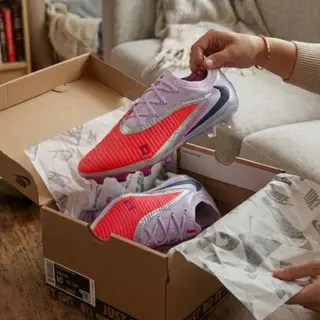
Welcome to a simple guide on testing Nike cleats. This section shows why people interested in testing, and players, should know the process. It’s helpful before signing up for a Nike trial or applying to be a beta tester.
Nike’s Soccer Shoe Guide shares their design goals: Mercurial is for speed with Zoom Air and great traction. Phantom aims for precision with special patterning and unique lacing. Tiempo gives a great touch with top leather and cushioning. Knowing these can help testers, as prototypes focus on different player needs and surfaces.
How a test cleat fits is key to giving useful feedback. Nike says their boots usually fit as expected, but some top players choose a smaller size for a tighter feel. The right fit means no heel slip and some space at the toes. These fit checks are what Nike suggests when you buy any of their shoes.
Nike Members get special benefits that testers also enjoy: access to Nike Experts through the app, free shipping, easy returns without a receipt, and longer trial periods. Trials usually offer 60 days to test wear and have simple steps for returns or feedback. Knowing these perks can help testers know what to expect in a trial.
Points clés à retenir
- Le Guide to Nike Cleats Testing groups prototypes by player style: Mercurial, Phantom, and Tiempo.
- Nike cleats testing looks at fit, special soles for different terrain, and the level of play intended.
- Usually, Nike soccer cleats fit as expected; some pros prefer a smaller size for a better feel.
- Trial policies often include perks like free shipping, easy returns, and longer periods to test wear.
- Being a nike beta tester involves checking fit, durability, and how well they perform, based on Nike’s design goals.
What the Nike Cleats Testing Experience Looks Like
Nike designs cleats by studying how athletes play and the fields they play on. They have different types for speed, precision, and touch. They match these to test goals, like how the sole works and if it suits the field. If you join as a Nike Member or are reached out to by Nike, you’ll test them in real conditions, not just casual wear.
Overview of the official nike program
The program separates tests by the type of performance and field. They look at how the cleats fit, feel during play, and last over time. Testers wear them multiple times on certain fields to see how they handle running, moving quickly, and controlling the ball.
Who participates and why it matters
- Recreational players share what’s comfy and easy to wear in.
- Club and semi-pro players test how well they last over lots of games.
- Elite athletes check if they improve touch and speed.
As a tester, your thoughts help improve the cleats for each kind of player. You’d note any issues like slipping, room for your toes, and wear points. Your feedback helps Nike make better designs.
Nike Voice of the Athlete initiative
Typical timeline and commitments
- Starting with fitting and learning about the test, online or face-to-face.
- A set time to wear them, usually 60 days, to see how they hold up in real games.
- Checking in during the test and sharing final thoughts through an app or survey.
You need to take care of the cleats, use them on the right fields, and note any damage. This helps Nike keep the testing accurate and improve the cleats based on real feedback.
Soccer Cleats in nike testing program
Rejoindre un Nike product trial lets you try out new boots before anyone else. If you’re interested, it’s good to know how to get noticed by Nike. Once chosen, you’ll help shape how the final product looks and feels.
How to find and join the program
First, sign up with Nike Member services on the Nike App or nike.com. Being a member makes you visible for invitations. It also gives you access to experts and special services like buying online and picking up in stores where you might find tester opportunities.
Keep an eye on the app and your messages for any calls for testers. Nike looks for specific types of players, so share details like your playing position and shoe size. This increases your chances of getting selected for nike cleats testing.
- Keep your contact info current in the Nike App.
- Respond quickly to outreach and complete any registration steps.
- Attend local store events or club fittings where product trials are announced.
What Nike looks for in testers
Nike wants testers from all backgrounds and playstyles. For instance, fast players might test speed-focused boots. At the same time, players who prioritize comfort could try out different models.
Being accurate about your shoe size and giving honest feedback are essential. Testers who provide detailed reports about how the shoes wear are highly valued.
- Range of levels: youth, amateur, and elite players.
- Surface diversity: firm ground, turf, and indoor use.
- Routine tracking: frequency of use and specific drills performed.
Legal and logistical considerations
Nike has specific rules about how you should take care of and use the prototypes. They usually set a schedule for wearing the shoes and might not let you share pictures or detailed opinions.
Shoes might come by courier or be picked up in-store, and you’ll have deadlines for giving feedback. Make sure to follow care instructions so you don’t mess up the test or void any warranties.
- Read any tester agreement before accepting gear.
- Track wear and report issues on schedule.
- Understand return or replacement policies tied to the trial.
How Nike evaluates cleats during testing
Before drills start, Nike sets clear targets for each cleat model. The Mercurial line aims for great traction, lightness, and bounce, thanks to Zoom Air technology. Phantom models are all about ball control and precision. Meanwhile, Tiempo boots focus on a smooth touch and comfort. These goals guide all testing and planning for Nike’s cleats.
Tests are designed to measure performance against these targets. Teams track how fast players sprint, how well they change direction, and their ball handling. They also test how accurate passes and shots are under pressure. They even compare cleat traction on different playing surfaces. This approach links performance directly to what happens in a game.
Fitting and comfort tests are done separately. Testers look out for issues like heel slip or not enough room for toes right away. They see how materials like synthetic or leather adjust to the foot. They also notice when cleats start to feel just right. These observations are crucial during cleat testing.
They also check how durable the cleats are. Testers look for upper-layer peeling, worn-out studs, and overall structure strength. They pay close attention to wear areas like ankle cuffs and midsoles. They note any significant wear, like the sole coming apart, so it can be fixed. They expect each cleat to last a whole season under normal play conditions.
The way they gather data combines numbers and stories. They time sprints, watch how players move, and study ball touches closely. Then, they add thoughts on how the cleats feel and control the ball. This combination helps the Nike team understand the data better during tests.
Nike has a strict system for collecting feedback. Testers fill out standard forms, share photos and videos, and report regularly via an app. Nike’s experts then review this feedback, asking for more details on certain aspects. This consistent method helps gather reliable data from different tests.
Sometimes, issues spotted on the field lead to more tests in the lab. Teams recreate conditions to study wear patterns, how studs hold up, and glue strength under heavy stress. Results from these lab tests help improve the cleats, guiding the creation of new prototypes.
In their final reports, everything is laid out clearly. Engineers see a timeline of issues, alongside detailed metrics and visual proof. This clear format makes sure feedback is useful and directly tied to improving cleat design during Nike’s ongoing tests.
Practical tips for testers: getting the most from your product trial
Prepare well to become a more useful beta tester for Nike and your team. Choose cleats that fit how you play—Mercurial for speed, Phantom for precision, Tiempo for touch. Make sure to select a sole plate that matches where you most often play. Try on cleats using the Nike App’s Expert fitting tools. Wear your usual socks to ensure they fit just right from start.
Doing small checks can save time during a product trial. Make sure your heels don’t slip and there’s about a thumb’s width of space at your toes. If you like your cleats snug, remember to check how they feel after wearing them a few times. Keep track of how often and where you use them to help explain any wear or damage.
Recording useful, actionable feedback
- Write down your thoughts right after each use to remember details.
- Show fit issues or damage with videos and photos.
- Track sprint times and how you do in drills to add to your notes.
- Keep a log of use, including when, where, and the weather, to help explain how they hold up.
When giving feedback, use a standard format to make it easier to compare your experiences. Short, specific comments are better than long ones that don’t provide clear info. Learning to give good feedback helps you be a valuable tester.
Caring for prototypes and reporting wear
Care for your cleats properly by using them only as intended. Clean them gently after use and let them dry on their own. Don’t put them in the washing machine. Write down any issues with the cleats as soon as they happen.
Follow the rules of the testing program and keep what you learn private. If there’s a problem, report it with photos and details about when it happened. This gives Nike a good understanding of any issues.
Use these tips to make the most of your testing experience. Keeping detailed records, taking good care of your cleats, and following testing guidelines can make your feedback more valuable. This helps improve the trial process and makes your role more impactful.
Conclusion
Nike tests Soccer Cleats like Mercurial, Phantom, and Tiempo to see if they meet real-life needs. They check how these cleats perform in different play styles, on various surfaces, and for players of all levels. Their testing focuses on how well the cleats grip, fit, feel against the ball, and how the sole acts over 60 days.
What testers find about fit and how long the cleats last stands out the most. They look for cleats that fit right, last long, and suit pro players who prefer a snug fit. They check for signs of wear like the sole coming off, studs getting worn down, and if the ankle support holds up. This careful testing confirms if the cleats will last long and perform as promised.
If you want to help test Nike’s cleats, you can sign up through the Nike App or Nike.com. You need to follow their rules and report your findings clearly. By following Nike’s guidance on where and how to wear the cleats, you help them make their products better.
In the US, players and coaches who test Nike cleats help make better shoes for everyone. Taking detailed notes and doing the same drills helps Nike. It makes the feedback useful and respected in Nike’s testing program.
Contenu créé à l'aide de l'intelligence artificielle.