Ilmoitukset
Fashion Marketplaces are mobile-first apps. They gather apparel, accessories, and footwear from many sellers into a single shopping feed.
Nämä fashion marketplace apps let users browse resale drops, designer edits, and fast-fashion finds without switching between brand stores.
Unlike standalone brand apps, which sell one label’s inventory, marketplaces host multiple brands and independent sellers. This variety helps shoppers discover vintage pieces on Depop or curated designer items on Farfetch.
Ilmoitukset
You can also find everyday basics on ASOS or secondhand deals on Poshmark, all in one place.
Apps matter for on-the-go shoppers because they add convenience and personalized discovery. They include social-ready features like push-sale alerts and saved searches.
Users can share wish lists on Instagram or TikTok. In-app tools help speed up buying and selling.
This article shows how to choose and evaluate fashion ecommerce apps ja online fashion stores apps.
It covers essential features and compares multi-brand aggregators to single-brand apps. It also highlights budget-friendly platforms and lists tools for sellers and buyers.
The tone is friendly, direct, and transparent, like a knowledgeable friend explaining options without hype.
Keskeiset tiedot
- Fashion marketplaces combine many sellers so you can discover varied styles in one app.
- Fashion marketplace apps differ from brand apps by offering multiple labels and resale options.
- Look for features like alerts, social sharing, and size tools when evaluating apps.
- Popular examples such as ASOS, Depop, Poshmark, Farfetch, and Zara’s app show the range of focuses.
- This guide will help you pick the right fashion ecommerce apps for your shopping goals.
Top Fashion Marketplace Apps to Download
Finding the right app makes browsing trends and buying easier. This guide shows what sets good fashion marketplace apps apart. It also highlights what to check before you tap “buy.”
What defines a great fashion marketplace app
A great app has up-to-date inventory, clear photos, and trustworthy seller info. Verified seller badges and fast customer support build confidence.
Good apps combine discovery tools like editor picks and trending sections with features like wishlists and saved searches.
Stable checkout and honest condition notes are key for resale items.
Key features to look for: search, filters, and size tools
Powerful search tools find items fast. Autocomplete and typo tolerance save time when you browse on the go.
- Filters for size, color, price, material, brand, and condition.
- Sorting options that show preferred results first.
- Size charts, fit notes, and user measurements to reduce guessing.
- High-resolution images with zoom and several angles.
- Wishlist, price-drop alerts, and saved searches for deals.
- AR sizing or in-app measurement to help improve fit confidence.
User experience and design considerations for shopping platforms fashion
Fast load times and a lightweight design keep mobile shopping smooth. Clear navigation with logical categories helps users browse quickly.
Checkout should support mobile payments and guest checkout to reduce steps. Product pages need short bullet points and honest condition notes for used items.
- Accessible descriptions and clear size guidance for better buying decisions.
- Social integration for sharing looks or importing wishlists from Instagram.
- Customizable push notifications for restocks and order updates without overload.
Comparing Online Clothing Marketplaces and Multi Brand Fashion Apps
Choosing where to shop starts with knowing how platforms differ. This short guide compares typical online clothing marketplaces with focused brand apps. It helps readers decide quickly.
Differences between single-brand stores and multi-brand aggregators
Single-brand mobile apps keep sizing, fit, and design language consistent. Fans find predictable pieces, loyalty perks, and uniform return rules.
Multi brand fashion apps gather many labels into one feed. Shoppers can mix styles, search brands, and use one cart for different sellers.
Clothing aggregator apps may show variable shipping times and return policies. Brand-specific apps tend to standardize timelines and customer service.
Pros and cons of clothing aggregator apps vs brand-specific apps
Pros of clothing aggregator apps:
- Broader selection for trend discovery.
- Easy price comparison across labels.
- Cross-brand outfit building without switching apps.
Cons of clothing aggregator apps:
- Inconsistent sizing between sellers.
- Variable seller quality and longer delivery windows.
Brand-specific store apps offer consistent fit and faster returns. They often run brand promotions and loyalty rewards.
Brand apps limit style range and reduce chances for direct price comparison.
How to choose based on style, budget, and delivery options
Style seekers wanting a specific look should pick brand apps for cohesive collections. Trend explorers benefit from multi brand apps with more variety.
Budget shoppers can compare prices quickly using aggregator apps. Brand apps may reward loyalty with exclusive discounts or early drops.
For delivery and returns, check shipping times, consolidated shipments, and refund timelines. Pick apps showing real-time stock and tracking updates before buying.
Best Apps for Budget Fashion Platforms and Cheap Clothing Marketplaces
Ostokset budget fashion platforms is smart and simple when the app offers clear categories and reliable filters. These apps often feature frequent deals that help save money. This guide shows how to spot trend-driven sellers versus more mindful low-cost options.
Top budget-friendly apps and what to expect
Expect apps to highlight flash sales, clearance racks, and outlet sections. Many fashion marketplace apps push daily deals and bundle pricing. This helps move inventory fast.
Look for features like student discounts, loyalty points, and quick checkout. High SKU turnover means fresh styles arrive often. But sizing and fit can vary more than on brand-specific platforms.
Deals, coupons, and price-tracking tools within shopping platforms review
Good apps offer a dedicated coupon area and a promo-code field at checkout. Some allow watchlists with push alerts for price drops. Others integrate price-tracking tools.
- Built-in coupon folders make it easier to redeem savings at purchase.
- Price watchlists pair well with loyalty rewards to stack discounts.
- Third-party tracker integrations add a safety net for price drops.
Spotting fast fashion marketplaces vs sustainable low-cost options
Fast fashion marketplaces release new drops quickly and rely on mass-produced basics. They focus more on trend currency than material details.
Sustainable low-cost options list materials, care instructions, and manufacturing notes. Resale sections show clear condition photos and seller ratings to reduce surprises.
When browsing budget apps, compare product pages for transparency. Look for clear fabric labels, return policies, and seller history before buying from cheap or fast fashion marketplaces.
Essential Clothing Marketplace Tools for Sellers and Buyers
Sellers and buyers need clear, reliable features to make marketplace shopping work well. This short guide shows practical tools that reduce friction and build trust on fashion apps.
Inventory and listing tools for online store apps fashion
Sellers benefit from fast batch uploading and SKU management to keep many pieces organized. Automated low-stock alerts and size variants help cut errors and overselling.
High-quality listing templates standardize photos and descriptions across channels. Sync tools linking inventory between marketplaces save time and stop stock mismatches.
Buyers want clear measurements, condition notes, and verified authenticity tags on listings. These details build confidence when browsing fashion buying apps.
In-app communication, reviews, and trust signals
Direct messaging with templated replies keeps questions short and responses consistent. Shipment updates inside the app let buyers follow progress without extra emails.
Reviews include verified-purchase labels and filters for the most helpful feedback. Seller response rates and public reply threads help shoppers judge reliability.
Trust features like buyer protection, escrow options, and identity verification matter for higher-value items. Clear dispute paths and transparent seller policies reduce disagreement chances.
Payment, shipping integrations, and return management features
Secure payment choices—cards, mobile wallets, and escrow—are expected on modern shopping platforms. Multiple payment options make checkout smoother for diverse users.
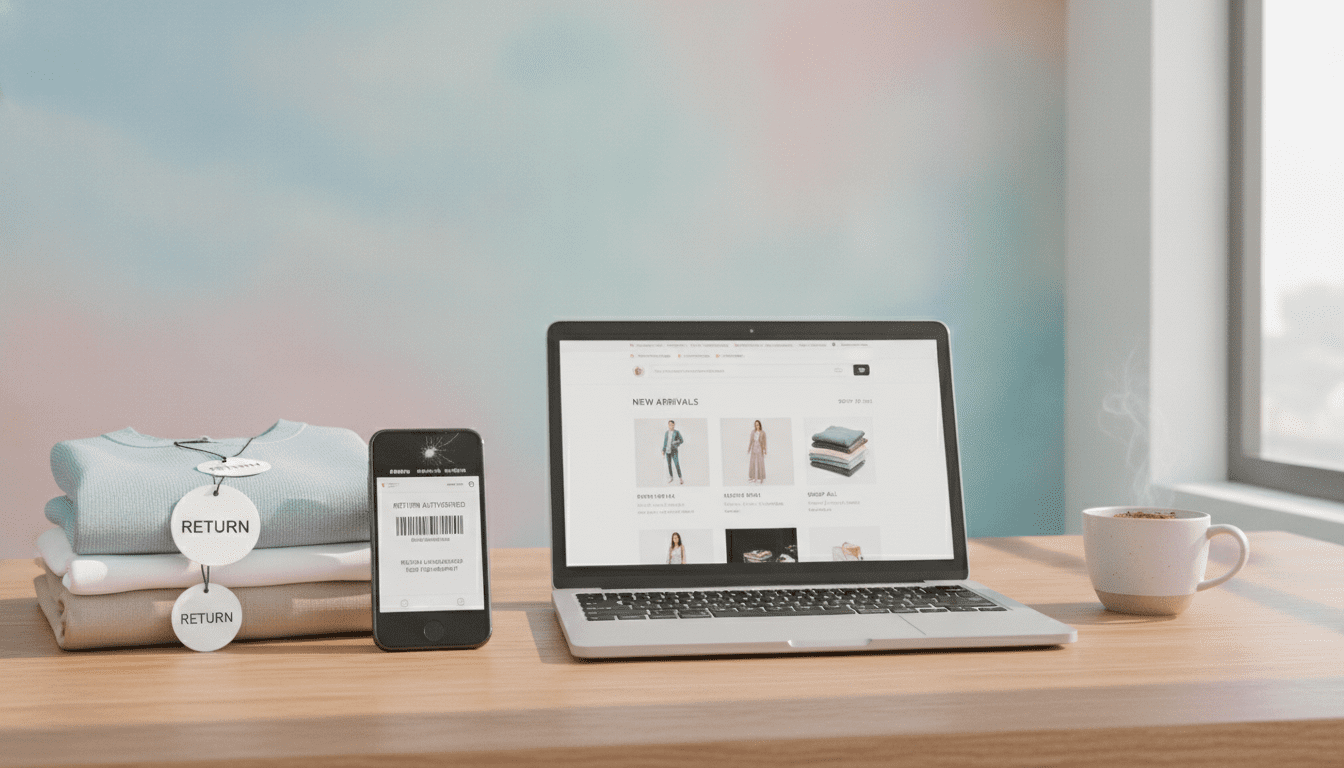
Shipping integrations that print labels and show tracking inside the app reduce manual work. Prepaid return labels and fixed return windows make returns easier for buyers.
Seller tools like automated postage calculation and discounted carrier rates protect margins. Easy refund workflows and clear timelines support repeat business on fashion apps.
Top Picks: Fashion Ecommerce Apps and Shopping Platforms Review
Editors reviewed hundreds of options to highlight apps that help shoppers find curated styles and designer pieces.
The list favors platforms with clear curation, quality control, and editorial content for fast, reliable discovery.
Editor’s picks for curated styles and designer finds
1. Curated apps focus on editorial lists, exclusive drops, and boutique labels to surface standout items.
2. They offer stylist picks, themed collections, and quick reads that explain why an item is important.
3. Higher prices are common, balanced by tighter selection and authentication where relevant.
Best apps for streetwear, luxury, and everyday basics
Streetwear apps highlight limited releases, restock alerts, and resale options for exclusive sneakers and drops.
Luxury platforms add authentication, white-glove shipping, and priority support for high-end purchases.
Everyday basics apps focus on consistent fit, subscription options, and easy tools to build a capsule wardrobe.
Shoppers should check for authenticity guarantees, restock alerts, and loyalty benefits before buying.
Mobile-only features that set these apps apart (AR try-on, outfit recommendations)
AR try-on and virtual fitting rooms let users preview fit and size without visiting a dressing room.
Outfit recommendation engines suggest full looks based on saved items and past purchases.
Visual search and shoppable videos speed discovery by matching photos to real listings.
One-tap checkout with Apple Pay or Google Pay and app-only discounts reward mobile shoppers.
Nämä fashion ecommerce apps balance discovery, trust, and speed to fit many styles and routines.
Johtopäätös
Choosing the right fashion marketplace app depends on what matters most: discovery or loyalty, budget or designer pieces.
Look for accurate sizing tools, reliable shipping times, and clear return policies when testing a new app.
These features make shopping on fashion marketplace apps less risky and more enjoyable.
Practical next steps: decide your priority—price, sustainability, or designer finds.
Try one aggregator app and one brand app to compare the experience.
Use wishlists and price alerts before buying to avoid impulse purchases on online clothing marketplaces.
Remember, no platform is perfect.
Read seller reviews and choose apps with return-friendly policies.
Treat fashion shopping hubs and ecommerce apps as tools to explore your style.
Small experiments now will save time and money later.
Tekoälyn avulla luotua sisältöä.