Ilmoitukset
What item are you looking for at Nike?
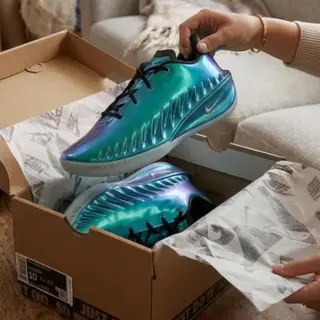

This guide shows how Nike turns an idea into a shoe that’s ready for the court. You’ll discover who helps test the shoes, what’s looked at in lab and real-life tests, and how feedback makes each Nike shoe better. The tone is friendly and aimed at competitors, shoe fans, testers, and store partners.
We talk about the key steps in testing: lab checks, athlete testing, and trials in different areas. You’ll learn how to join a Nike testing program, what a Nike basketball shoe trial is like, and the perks you might get like free shoes or discounts. The article also tells how feedback from Nike shoe tests can change the final design and what the shoes claim to do.
Want to try testing shoes or find a local trial? This guide shows the way and gives tips for staying safe. You’ll find lists to help check shoe prototypes, stories from real testers, and advice on checking offers before you share your info. This guide is here to help you get ready for your first Nike basketball shoe test and understand how your honest thoughts can help shape new Nike shoes.
Keskeiset tiedot
- Nike testing combines lab data and player experiences to improve shoes before they launch.
- High school, college, and amateur athletes can try out prototypes and share their thoughts on fit, grip, and comfort.
- Testing can bring perks like free shoes or discounts, but might need NDAs and returns.
- Nike uses pilot tests to make their basketball shoes better before they come out widely.
- This guide offers useful lists, stories from testers, and tips for finding and checking out a Nike basketball trial safely.
Why Nike testing matters for basketball players
Nike blends lab science with real-world experience to enhance performance. Their engineers use advanced tools like force plates and motion capture. They measure how shoes react to impacts and pressures. The findings help pick the right tech for shoes, like Nike Air and Flyknit.
But numbers don’t tell everything. Player feedback fills the missing pieces. They share how shoes feel in action, like during quick moves or on different floors. This valuable insight lets designers improve shoe parts for the best performance.
How player-tested feedback shapes shoe performance
Athlete feedback leads to shoe improvements. For example, a high school player might point out heel slip, leading to design tweaks. College players share how quick they feel in the shoes, influencing tech changes.
Durability gets better with both pro and amateur players’ help. They spot issues like hotspots that lab tests might not catch. So, manufacturers adjust the design to make shoes last longer without losing performance.
Nike Voice of the Athlete initiative
Differences between lab specs and on-court results
Lab tests are accurate but can’t catch everything. They miss the effects of sweat, various floors, and rapid moves on shoes. Real game conditions can change shoe performance a lot.
A real nike basketball trial might reveal problems not seen in lab tests. For instance, shoes might slip in conditions labs didn’t simulate. Or, they might feel different during intense moments than lab data suggested.
What to expect from a shoe that passed Nike’s testing phases
Nike-tested shoes often excel in three areas. They have good grip on many floors. Their cushioning stands up to lots of use. And, they fit well, avoiding discomfort over time.
Before nike shoes launch, they’re fine-tuned to meet athlete needs for speed, safety, and comfort. The final product benefits from both lab checks and real athlete experiences.
Basketball Shoes in nike testing program
Nike combines lab data with actual court feedback to improve their shoes. Athletes, designers, and engineers team up. They check the shoes’ grip, softness, and toughness. Simple updates might take months, but big changes could need more than a year.
Overview of the program and its goals
Nike’s testing program includes lab tests, athlete trials, and some public testing. Its goal is to verify the shoes perform well, are durable, and offer a good user experience. This feedback helps improve the shoe’s feel, fit, and safety before it’s made.
Types of prototypes and tech commonly evaluated
Prototypes test everything from nearly finished shoes to brand new ideas. They often try out new cushioning, materials, and shapes. For example, they might test new Zoom structures, foam updates, or Flyknit changes. They also check new ways to make shoes lighter and check their grip on court.
How prototypes move from testing to official release
First, ideas become early versions called alpha and beta samples. Then, they go to athlete trials. A skilled nike tester gives detailed feedback. This leads to improvements. Teams from design, performance, and supply check if the shoes can be made properly.
Once the shoe passes tests for performance, toughness, and safety, it’s time to make it for everyone. Tester feedback has changed how shoes feel and grip before. If you’re an athlete looking to join, this shows how your feedback could change the final product.
How to become a Nike beta tester for basketball shoes
Want to test Basketball Shoes for Nike? Know how to start. Look for application times, trial locations, and special invites. You’ll need to prepare a detailed testing resume. Also, be clear on any brand conflicts before you apply.
Eligibility and application routes
Nike posts testing opportunities on their official sites and the SNKRS app. Also, Nike athlete programs and centers might invite you. Retail partners and coaches can also offer trials. Make sure to keep your contact info updated and act fast when opportunities arise.
Profile tips to improve your chances
Highlight your basketball level. Mention if you’ve played varsity, in the NCAA, or semi-pro. Include what position you play and where you live. This is because trials often happen in specific cities.
Show off your skills with videos on Instagram or YouTube. Add your stats and get recommendations from coaches. Make your profile standout with detailed info like shoe size and solid references.
What Nike looks for in beta tester feedback
Nike prioritizes clear, consistent feedback. Note any sizing issues or how the shoes hold up. Mention how the shoes perform, like traction on different courts or cushioning support.
Back up your feedback with videos or photos showing the shoes’ condition. Give timely, precise survey answers. Noting these details helps you stand out as a tester, both in nike basketball trials and the whole Nike testing program.
Where to find nike basketball trial opportunities
To find a nike basketball trial, you need to plan ahead and know the right people. Start with official Nike sources. Then, add in local events and online groups to boost your chances of getting a test run.
Official Nike program sign-ups and seasonal windows
Keep an eye on Nike’s main site, the SNKRS app, and offers for Nike Members for news on trial periods. Look for opportunities on regional Nike athlete websites and at Nike store locations before big shoe releases. Make sure to set reminders for times in the preseason, winter, and spring so you don’t miss out on official Nike trials.
Local tryouts, events, and retailer partnerships
Go to demo events at places like Foot Locker and Nike House for direct testing chances. Local community centers, college days, and gyms often have trials with Nike or stores. Talk to coaches and trainers who attend these events. They might suggest players for a Nike basketball trial.
Online communities and social channels that share trial alerts
Join groups on Reddit like r/Nike and r/sneakers, follow related Twitter/X accounts, and Instagram pages run by sneaker experts and basketball groups. Sign up for newsletters from basketball blogs. They send updates on trials. Always check these tips with Nike’s official ways to make sure they are real.
- Set calendar reminders for typical trial windows.
- Join Nike newsletters and regional athlete portals.
- Build relationships with store reps and trainers who know about local trials.
- Watch community boards for chances that may include free nike sneakers as compensation.
Evaluating trial shoes: a checklist for testers
Before starting drills, have a testing plan ready. Use an easy feedback form to track shoe details like ID, size, how long you tested them, the surface you were on, and the weather. It’s good to test shoes more than once. This lets you notice how they adapt over time and their durability early on. Keeping detailed notes for each test makes your feedback reliable, whether it’s for a Nike basketball trial or any Basketball Shoes in Nike’s testing program.
Fit and sizing checks to report
Write down if the shoes fit right, the space in the toe area, if your heel slips, and how thick your socks need to be. Note if the shoes fit differently on each foot and if changing the lacing affects the fit. Share how long the shoes take to feel comfortable and how they fit after both warming up and playing for a while. Your details are crucial for giving accurate feedback as a Nike beta tester.
Cushioning, traction, and support testing methods
Check cushioning by doing different moves like drop-steps, sprints, and jumps. See how well the shoes respond during rapid moves and when you land hard. Test how good the grip is by doing cuts and pivots on both indoor and outdoor surfaces. For support, do side shuffles, quick changes in direction, and hold defensive positions. Make sure to log the surface you’re on every time, so your notes on grip can be compared fairly in any Nike basketball trial.
Recording performance: drills, metrics, and video tips
Maintain organized records with times, names of drills, and scores from 1 to 10 for comfort, shoe response, and stability. Film yourself from different angles, using slow-motion to catch any issues like slipping or the heel coming up. If you can, measure things like how high you jump or your speed in shuttle runs to support your observations.
Include these details in your feedback form:
- Shoe ID and size
- How long and how many drills you did
- Type of surface and the weather
- Notes on fit: toe area, heel movement, how the laces are tied
- Scores for cushioning, grip, and support (1–10)
- Measurements: jump height, shuttle run times
- Video timings and observations
Follow this checklist carefully and keep your notes clear and to the point. Precise feedback helps Nike’s team improve their Basketball Shoes in their testing programs. It also cements your reputation as a valuable Nike beta tester.
How trial participants may receive free Nike sneakers
Being part of Nike’s testing program offers more than just early access. Participants often get free shoes for testing or special discounts based on their feedback. Always check the details of any offer before agreeing to know what’s expected and what you’ll get to keep.
Typical compensation models
- Free shoe prototypes for testing at home or on the basketball court.
- Discounts or store credits are given after feedback is submitted.
- Small payments for long-term tests that require detailed reports or travel.
- Loaner shoes that must be returned after the test period is over.
Rights and obligations
- Signing an NDA is often necessary, restricting you from sharing online or public reviews.
- There are specific return policies, possibly with prepaid shipping for worn or damaged shoes.
- Feedback deadlines and report formats are clearly set in the agreement.
- You might have to report cash payments to the IRS, so keep all records.
Protecting yourself
- Always verify offers through Nike’s official channels or a @nike.com email before sharing personal info.
- Steer clear of offers that promise free sneakers but ask for shipping costs upfront.
- Ask for all conditions in writing and keep all communication for future reference.
- If unsure, reach out to consumer protection or Nike customer service to check if an offer is legit.
To enjoy being a Nike beta tester, know the compensation and your rights. Make sure each offer is legit, guard your personal information, and understand all rules on returns and feedback before you jump in.
Real tester reviews and case studies
Real tester reviews show how prototypes do outside of the lab. They come from high school teams, college squads, and pros in a nike basketball trial or the Nike Testing Program. Short summaries and videos show changes from the first version to the final product.
Short-form reports from high school and college players
High school and college players point out fit issues first. They talk about how the shoes feel in dusty gyms and during fast moves. They also mention how the cushioning feels during long sessions and how it helps with soreness after games. After wearing the shoes for weeks, they notice if seams tear or if the cushioning gets less bouncy.
Pro-level feedback and product adjustments
Professional athletes give detailed feedback on how the shoes grip the floor and how the cushioning feels. For instance, NBA players have helped change the sole design to prevent slipping and adjust the cushioning for better ground contact. Nike teams use this along with lab data to fine-tune designs before the shoes are released.
Before-and-after performance comparisons from trials
Case studies often begin with a prototype that’s too soft and causes instability. Changes are made, like a firmer midsole and a supportive back part. These changes lead to better performance, seen in quicker times and less slipping.
Real test results are important. Timed tests, videos, and notes provide solid proof of how the shoes got better. To see the full impact, look for tester reports and chats with Nike’s designers. These show how player feedback shapes the final shoe.
Interested testers might get into a nike basketball trial or get free nike shoes by joining the program. Keeping an eye out for these opportunities lets players help develop future shoe releases.
Johtopäätös
This guide explains how Nike combines lab tests with real basketball play to improve their shoes. They do this through their nike testing program. Players who test these shoes help connect scientific data with actual game performance. They look at how the shoes fit, their comfort, grip, and how long they last. This helps decide what the final shoe will be like.
If you want to join, keep an eye on Nike’s SNKRS app and Nike Member site for test opportunities. Create a detailed profile showing your basketball experience and share it. Also, participating in local events and making videos of your basketball drills can improve your chances. These steps make it easier for you to get picked for a Nike basketball shoe test.
Always check any offers with Nike directly before giving out personal info. Make sure to read NDAs (non-disclosure agreements) and return policies carefully. While you might get free shoes to test, you also have to give useful feedback. Taking this role seriously means you could influence future Nike basketball shoes.
Tekoälyn avulla luotua sisältöä.