Anúncios
What item are you looking for at Nike?
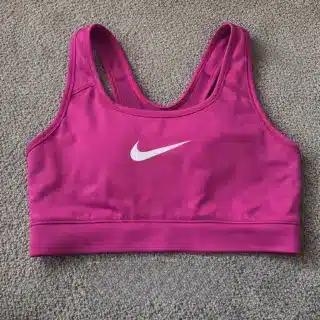
This article takes you inside Nike’s sports bra testing program. You’ll learn how Sports Bras in nike testing program evolve from early designs to final products. It discusses how a nike sports bra test explores real-life use and how findings influence the release of a nike product.
The review is thorough and welcoming. It targets consumers, athletes, fitness lovers, and those eyeing Nike beta testing. It blends Nike’s focus on innovation and designing for athletes with details from program reports, common practices in clothing research & development labs, and feedback collected from testers.
The content includes: Nike’s test process overview; the selection of bra prototypes and the reasons behind it; descriptions of testing methods like wear trials and lab evaluations; the role of tester observations and subsequent product improvements; comparisons of test and retail versions; info on how to become a tester; and how these trials help build trust with consumers and bring a nike product to market.
It uses specific terms like Sports Bras in nike testing program, nike sports bra test, and nike product launch often. This guides readers to important parts, ensuring they understand the nike women program and nike apparel trial.
Key Takeaways
- Nike conducts detailed sports bra trials to perfect fit, support, and fabric before they hit stores.
- The tests combine real-life usage with scientific lab assessments for conclusive findings.
- Feedback from testers plays a crucial part in fine-tuning designs before launching a nike product.
- Interested testers can sign up through Nike’s open calls and formal recruitment efforts.
- This article explains how results from nike sports bra tests lead to enhanced performance and trust from shoppers.
Overview of Nike’s Sports Bra Testing Program
Nike has a detailed testing program. It transforms design ideas into approved products. This process emphasizes athlete input, lab data, and team assessments. It perfects the fit, support, and comfort. It also ensures durability and sustainability in women’s athletic wear.
Purpose and goals of the testing initiative
The main goal is to improve fit and support. This lets athletes train with confidence. A nike sports bra test checks design ideas in actual training settings. It also collects direct feedback on movement and comfort. The team looks at returns and satisfaction to lower issues after launch.
Nike Voice of the Athlete initiative
Secondary objectives focus on testing materials for breathability and moisture management. They also look at production viability and offering more sizes for different body types. The findings help select materials, where to put seams, and how to build the bras.
How the program fits into Nike apparel development
Testing happens between initial designs and starting mass production. After making concepts and prototypes, the testing phase connects design, engineering, and sales. Insights from the trials guide improvements before the final release.
Designers, fabric experts, product leaders, and science specialists review the data together. Nike uses its own Sport Research Lab and athlete feedback. This creates a complete view of how the product performs.
Timeline from prototype to product launch
- Concept and prototyping: weeks to months.
- Internal lab testing: 1–3 months.
- Controlled wear trials and beta testing: 2–6 months.
- Iterative redesigns: weeks to months.
- Final validation and production ramp: 2–4 months.
Timelines can vary based on the complexity. Advanced features or new materials might lengthen the test phases. Important milestones use measurements like support levels, shrinkage, and tester happiness. These help decide if Sports Bras pass the nike testing program.
Sports Bras in nike testing program
Nike’s testing process involves designers, engineers, and athletes. They test new items to make sure they work well. This process looks at how the product fits, its impact on the environment, and if it’s something people would want to wear. They consider feedback from people who wear them and data from tests.
Selection criteria for prototypes included in the program
Prototypes are picked based on how new and different they are. They also look at who will use them and how important they are for the business. Items that offer new shapes or are made with new materials are often chosen first. This is especially true if they fill a specific need in sports like running or yoga.
The level of risk a prototype carries is also important. Items that use new kinds of fabrics or designs are checked carefully. How they fit into the season’s collection and their role in the overall lineup matter too.
How many different sizes something comes in can determine if it’s chosen. Items that can fit a lot of different body types are tested to make sure they’re inclusive. Some products are specifically checked for their eco-friendly materials, like recycled fibers.
Key performance metrics used during testing
Tests use clear data and feedback from users. They look at how the fabric moves, supports, and holds up under stress. They also test how strong and durable it is, including how it handles being rubbed or pulled.
How well a material keeps you dry and comfortable is also measured. Teams want to see that any new product is better than what you can already buy. They set certain standards that new items have to meet or exceed.
User feedback is very important. People tell Nike what they think about how supportive and comfortable the items are. They also share if they like the design and how easy it is to adjust. This helps Nike make their products better before they’re sold.
Examples of tested designs and materials
They often test sports bras designed for intense activities. These might have special cups or mesh panels for support. They look for materials that keep you cool and move with you.
Eco-friendly choices might include materials that are better for the planet. Nike is also looking at new fabrics that help clothes keep their shape and last longer.
How the sports bra is put together is also examined. Features like how you can adjust it, different back styles, and how it’s made are all checked. This makes sure the final product is comfortable, durable, and meets Nike’s standards.
Real-world testing methods and protocols
Nike tests their prototypes through fieldwork and lab science before they’re sold. This testing includes athletes wearing the gear, biomechanical studies, and tests for wear and tear. This ensures Sports Bras are comfortable, supportive, and durable.
Wear trials with diverse athlete profiles
Nike selects a broad range of people for their wear trials. They include teens to older adults, various body shapes, and multiple cup sizes. Athletes who sprint, run long distances, take HIIT classes, or practice yoga are involved. The trials also consider different climates and terrains. Each trial takes several weeks, with the athletes tracking their activity.
Participants log their experiences daily or weekly. They note comfort, how much the bra moves, and if it causes chafing. Videos help biomechanists analyze movement. Nike ensures privacy, makes data anonymous, and clearly explains compensation. Many join to try new products and share feedback.
Lab-based stress and durability assessments
In the lab, fabrics are tested for how well they hold up to movement. Seams and straps are also tested to find weak spots. The materials are exposed to UV light to test for colorfastness. They also use specific methods to check for surface wear.
Motion-capture technology and force plates measure how much breasts move in the bras. This helps compare new models against those already on sale. The goal is to spot any significant differences.
Environmental and wash-cycle testing procedures
Wash tests follow industry standards. They include multiple washings at different temperatures. The tests check for shrinkage, seam strength, and if the elastic holds up. These results help decide on material choices and care instructions.
Other tests simulate real-life conditions like sweat, chlorine resistance, and extreme weather. They also consider sustainability, from materials used to recycling options. This helps Nike make environmentally friendly choices.
User experience findings from Nike beta tester feedback
Testers who tried the Nike sports bra reported about comfort, fit, and support clearly. Runners liked the control over motion and less bounce. Those in studio workouts preferred freedom of movement and staying cool. People who go to the gym wanted support that’s good for both lifting and fast-paced exercises.
Everyone agreed that soft fabric and well-placed seams helped avoid chafing. This was true when the bras offered the right mix of tightness and proper cup fitting.
Users found that how wide and adjustable the straps are made a big difference in comfort. Broader straps with texture stayed in place better. The adjustable parts made it easier to get the right lift without squeezing too much. Problems with fit were mostly noted at very small or large sizes, leading to specific design changes.
During the testing phase, common problems included straps falling off, the bottom band rolling up, and seams causing irritation. There were also issues with the padding moving around and sizes not being consistent. These issues were quickly pointed out by testers, leading to solutions for each one.
To solve these problems, straps were made wider and given texture to prevent slipping. The bottom bands were made stronger for better support. Seams were reworked to reduce irritation, and pad pockets were redesigned. The way sizes were calculated was also changed to ensure a better fit for everyone.
Some solutions required changing materials or the bra’s structure. Softer elastic and stronger thread were used.
New panels and different cup shapes were tried out to keep everything in place comfortably. These changes were based on feedback from testers in the Nike Sports Bra tests.
“Noticeably less bounce during fast runs,” one tester noted after changes were made to enclose more securely. Others liked the added mesh zones for cooler workouts. This feedback was key in deciding what features to focus on for the final product.
Testers pointed out a spot under the arm where the bra pinched. Moving the seam fixed it, making the newer versions much more comfortable.
- Issue: strap slippage — Fix: textured, wider straps.
- Issue: underband roll — Fix: reinforced elastic blends.
- Issue: seam irritation — Fix: relocate or bond seams.
- Issue: padding migration — Fix: redesigned pocketing.
- Issue: inconsistent sizing — Fix: adjusted grading rules.
Positive feedback about adjustable straps and fabrics that dry quickly shaped the claims when the product was launched. The Nike Sports Bra testing program adapted based on this feedback. This made sure the designs fit the needs of various athletes.
Performance comparison: tested sports bras vs. retail models
This section looks at nike sports bras in testing versus those you can buy now. It mixes lab results and feedback from users to show improvements. It clearly shows what’s gained in support, breathability, and durability.
Support and motion-control performance benchmarks
Biomechanical labs test how well sports bras reduce breast movement. The best ones in nike’s tests often cut movement by 10–25%. They also get high marks for feeling supportive according to wearers.
The design teams work on getting the balance right between tightness and being able to move easily. The top designs use smart engineering to avoid making everything too tight.
Breathability, moisture-wicking, and material performance
Tests on how sports bras handle sweat and dry show newer designs do better. They often use special mesh and knit to keep you cooler and dry quicker than many others. This is especially true for the latest Dri-FIT models.
The materials chosen are also key for controlling odor and feeling good on your skin. Some use recycled polyester that’s been treated to stay fresh and feel soft even after lots of wears.
Durability and long-term wear comparisons
Labs test how sports bras hold up with lots of washes. They look at how they keep their shape, color, and whether they start to fall apart. The ones that pass these tough tests are less likely to be returned and last longer once they go on sale.
Feedback from people wearing them for a long time tells us which ones keep their fit and support. This helps make them even better before more people can buy them.
How to join Nike women program and become a tester
Joining a Nike women program is a great opportunity for active athletes to impact future gear. You start by creating a Nike Member account and filling out your profile. This profile should include your training habits, sizes, and favorite sports. Some testing opportunities are open to everyone, while others are by invitation from groups like the Nike Run Club.
Eligibility requirements and application process
You need to be 18 or older and live in a key market, usually in the United States, to qualify. Nike looks for people who train regularly, fit with their product range, and can give detailed feedback, including photos or videos. To apply, choose opportunities in your Nike profile and fill out any surveys. Being active in the community can help get you invited to exclusive trials.
What to expect as a tester: responsibilities and benefits
As a tester, you’ll wear prototype products and follow testing guidelines. You’ll need to complete surveys, keep training logs, and send in photos or videos for analysis. It’s important to report any issues and return products if asked. You might need to keep things a secret if the products haven’t been released yet.
The perks include early access to samples, getting products for free or being paid, and helping improve Nike products. Testers can be featured in case studies and get involved with Nike communities. Giving good feedback makes it more likely you’ll be chosen again.
Tips to increase your chances of selection
Make your Nike profile stand out by being detailed about your size, how much you exercise, and showing off your workouts. Get involved with Nike groups like the Run Club and go to their events to get noticed. When you get an invitation, respond quickly and talk about why you’d be a great tester, like if you do long-distance running or train in harsh weather.
Always give thoughtful, detailed feedback on Nike clothing tests. Being reliable and thorough makes Nike trust you, which means you might get more chances to join the Nike women program.
Nike apparel trial impact on product launch and consumer trust
The process Nike uses for testing apparel helps decide which products hit the shelves. Test data and feedback from users guide crucial choices from the lab to the final product build. Finding the right mix of support, comfort, and durability is a major goal before a big Nike launch.
How testing data informs final design choices
Lab results mix with tester feedback to create solid design goals. Engineers and designers take this info to tweak designs, choose materials, and set production standards.
Sometimes, results lead to last-minute design changes, like adjusting how straps or seams work. Some ideas are put on hold until they reach Nike’s high standards.
Before saying yes to the final product, teams from various departments check everything. They need to be sure the design passes all tests for fit, support, and lasting use.
Marketing and transparency around tested features
Nike’s marketing often talks about products being *tested by athletes* or *built for high-impact*. These claims are backed by solid data. They tell customers about proven perks, like increased support or improved air flow.
Nike keeps a balance in what they share, promoting real benefits but not giving away secret testing methods. This approach builds trust in what Nike says, making customers more confident when they buy.
Case study: a successful product launch influenced by trials
For example, Nike tested Sports Bras and found issues with strap slippage during intense workouts. Testers said the movement made them feel unsure during active sports.
The design team then made the straps wider and changed the back shape. Following trials showed big improvements in fit and user happiness.
These changes were used in the launch campaign and helped reduce returns. Positive early sales and customer reviews showed how well Nike’s thorough testing process can boost a product’s success in the market.
Conclusion
Nike uses both lab tests and real-world trials in their nike testing program to perfect their sports bras. They check support, fit, durability, and sustainability. In the lab, stress tests and wash cycles offer clear data. Meanwhile, wear trials with athletes highlight any comfort or fit issues that lab machines can’t catch.
They assess prototypes with specific performance goals in mind. Feedback from nike beta testers leads to changes that improve the product. This process ensures that the end product is something people can trust. When these sports bras hit the shelves, they’re backed by solid data and real user feedback.
Looking for top-notch sports bras? Keep an eye out for ones tested by nike. You can even join the Nike women program as a nike beta tester. This lets you help shape future products. Stay updated with Nike, maintain your Nike profile, and use what you learn from testing to pick the best sports bras for both performance and lifespan.
Content created with the help of Artificial Intelligence.